Navigating the Changing Landscape of Pharmaceutical State Price Transparency Reporting
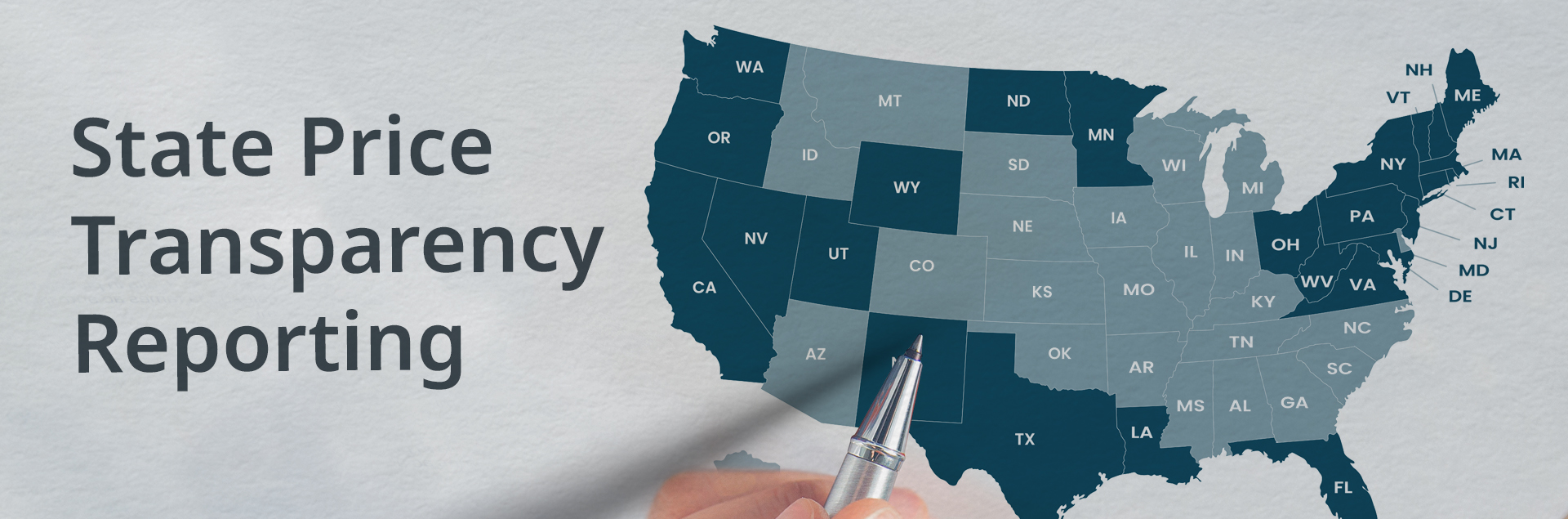
In the world of pharmaceutical manufacturing, staying up to date on regulatory changes and market dynamics is essential for success. Recently, there has been a significant shift towards increased transparency in drug pricing and rebates. As pharmaceutical manufacturers, it’s crucial to stay compliant and understand these changes. In this blog, we will explore new developments in pharmaceutical price transparency — focusing on key states such as Florida, Minnesota, and New Jersey, as well as the Biden administration’s proposal to enhance transparency in Medicaid.
- Biden’s Proposal for Medicaid Transparency
The Biden administration has proposed an initiative to enhance transparency in Medicaid drug pricing. This proposal aims to provide the Centers for Medicare & Medicaid Services (CMS) with additional insights into the manufacturing and distribution costs of high-priced drugs. It will also empower states to verify the accuracy of drug rebates and identify any potential misclassification.
Source: CMS Press Release
- Florida’s Price Transparency Law
In May 2023, Florida enacted SB1550, a law designed to increase drug price transparency. Starting on January 1st, 2024, manufacturers will be required to disclose reportable price increases.
Reportable price increases include those exceeding 15% over the preceding 12 months or 30% over a three-year period.
Source: Florida Senate Bill Summary
- Minnesota’s Transparency Amendments
Minnesota recently passed amendments to its transparency laws, which apply to both branded and generic drugs.
Reportable increases for branded drugs include those exceeding 10% over a 12-month period or 16% over the previous 24 months.
Generic drugs with price increases exceeding 50% over the past 12 months are reportable.
New products are reportable when they launch at a price exceeding the Medicare Part D specialty threshold.
Source: Minnesota Department of Health
- New Jersey’s Prescription Drug Disclosure
New Jersey’s S1615 legislation mandates the development of a prescription drug disclosure website by the Division of Consumer Affairs. This website will require pharmaceutical manufacturers marketing drugs in New Jersey to report specific drug information.
Manufacturers must report details such as the product’s name (whether it’s brand name or generic), drug strength, and per-unit wholesale acquisition cost (WAC).
Price increases of 10% over a 12-month period for brand drugs and 40% for generic drugs with WACs of $10-$100 are subject to notification.
New drugs with WACs exceeding the Medicare Part D specialty threshold and biosimilars priced at least 15% higher than the referenced brand biologic are also reportable.
Source: New Jersey Legislative Website
These recent developments highlight the increasing demand for transparency in pharmaceutical pricing across the United States. As pharmaceutical manufacturers, understanding and complying with these regulations is essential. However, navigating these complexities and added operational requirements can be challenging, which is where our company’s expertise comes into play.
At Prescription Analytics, we offer a wide range of services to support pharmaceutical manufacturers, including State Price Transparency Reporting (SPTR), Government Pricing & Rebate Processing, Chargeback Processing, Commercial Operations Support, State Licensing, and other high-value consulting services. Our team of experts is dedicated to helping you navigate the evolving landscape of pharmaceutical pricing and compliance. Contact us today to learn more about how we can assist your organization in achieving its growth, compliance, and profitability objectives.

Jeremy LaJoice
Chief Compliance Officer

Bob Devenport
VP of Government Pricing
"*" indicates required fields
If you’re looking for a long-term relationship with industry experts who are always available to help you leverage opportunities and mitigate threats, contact us today.
